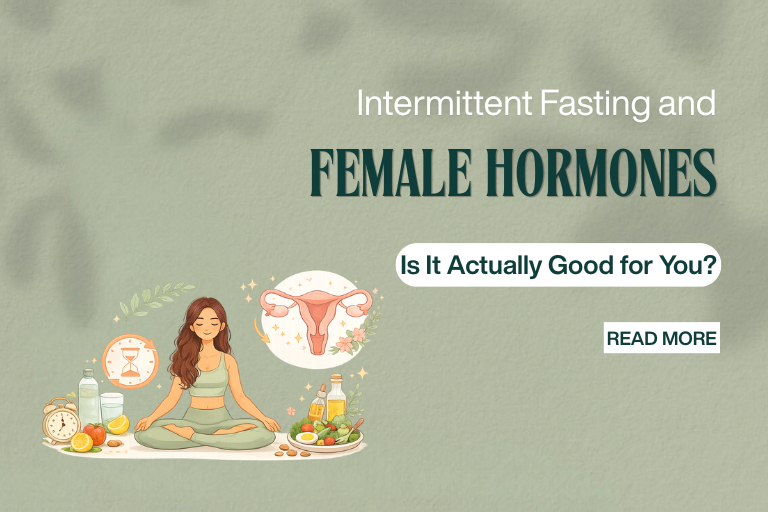
Intermittent Fasting for Women: Is It Good for Your Hormones?
Intermittent fasting for women has become one of the most talked-about nutrition strategies for weight loss, blood sugar control, and overall health.
From skipping breakfast to eating within a specific time window, intermittent fasting (IF) has gone from a fitness trend to a mainstream lifestyle approach. While many people report positive results, there is one important factor that often gets overlooked: women may respond differently to fasting than men.
Female hormones are closely linked to energy availability, stress levels, and overall nutrition. This means that while intermittent fasting can be beneficial for some women, it may not be the best fit for everyone.
Before you decide whether intermittent fasting is right for you, let’s look at how it affects female hormones, PCOS, metabolism, and overall health.
What Is Intermittent Fasting?
Intermittent fasting is not a diet. Instead, it is an eating pattern that alternates between periods of eating and fasting.
Some of the most common methods include:
- 16:8: Fast for 16 hours and eat within an 8-hour window
- 5:2: Eat normally for 5 days and significantly restrict calories for 2 days
- OMAD: One meal a day (a more extreme approach)
- 12:12: 12 hours eating and 12 hours fasting (the gentlest option)
Many people use intermittent fasting for weight loss because it can naturally reduce overall calorie intake. However, the effects of fasting extend beyond calories and can influence hormones, appetite regulation, and metabolism.
How Does Intermittent Fasting Affect Female Hormones?
Women’s bodies are highly sensitive to energy availability. From a biological perspective, the body needs to feel adequately nourished to support hormonal balance and reproductive health.
When fasting becomes too aggressive, the body may perceive it as a stressor, which can affect hormone function.
1. Cortisol (The Stress Hormone)
Fasting naturally increases cortisol, which helps the body access stored energy.
For many women, this is not necessarily a problem. However, women experiencing chronic stress, poor sleep, or hormonal imbalances may find that extended fasting increases stress on the body.
Chronically elevated cortisol has been associated with:
- Increased abdominal fat storage
- Poor sleep quality
- Increased anxiety and irritability
- Greater difficulty managing weight
- Reduced recovery from exercise
2. Estrogen and Progesterone
Severe calorie restriction or prolonged fasting may affect communication between the brain and reproductive system.
Over time, this can contribute to:
- Irregular menstrual cycles
- Missed periods
- Reduced progesterone production
- Fertility challenges
This does not happen to every woman, and a gentle fasting schedule such as 12:12 is unlikely to cause these issues. However, aggressive fasting combined with inadequate calorie intake may increase the risk.
3. Insulin and Blood Sugar
One area where intermittent fasting may be beneficial for women is insulin regulation.
Potential benefits include:
- Improved insulin sensitivity
- More stable blood sugar levels
- Reduced sugar cravings
- Better energy regulation
- Support for weight management
These benefits may be particularly relevant for women with insulin resistance or PCOS.
4. Thyroid Hormones
Extended calorie restriction and prolonged fasting may reduce T3, the active thyroid hormone, as the body adapts to lower energy availability.
In some women, this may contribute to:
- Fatigue
- Feeling cold more often
- Reduced exercise performance
- A perceived slowing of metabolism
Women with existing thyroid conditions should be especially mindful of fasting protocols and ensure they are eating enough overall.
Intermittent Fasting and PCOS: Can It Help?
PCOS is often associated with insulin resistance, making blood sugar management an important part of symptom management.
Potential benefits of intermittent fasting for women with PCOS may include:
- Lower fasting insulin levels
- Improved insulin sensitivity
- Reduced androgen levels
- Better blood sugar control
- More regular menstrual cycles in some women
- Gradual weight management
However, it is important to remember that these benefits are largely driven by improved insulin sensitivity, overall dietary quality, and sustainable lifestyle habits rather than fasting itself.
For many women with PCOS, a consistent 12-hour overnight fast may provide benefits without placing excessive stress on the body.
If you have PCOS alongside thyroid issues or other hormonal concerns, a personalised approach is often more effective than following a generic fasting protocol.
Who Should Be Cautious About Intermittent Fasting?
Intermittent fasting is not appropriate for everyone.
You may need to be cautious if you:
- Have a history of disordered eating
- Are pregnant or trying to conceive
- Are breastfeeding
- Have hypothyroidism
- Are experiencing chronic stress or burnout
- Have very irregular or absent periods
- Are underweight
- Have known nutrient deficiencies
- Struggle with poor sleep
- Experience dizziness, headaches, brain fog, or extreme hunger while fasting
In these situations, fasting may worsen the very symptoms you are trying to improve.
How to Do Intermittent Fasting as a Woman
If you are interested in trying intermittent fasting, a gentler approach is often best.
Some practical guidelines include:
- Start with a 12:12 fasting schedule before attempting longer fasts
- Avoid fasting around intense training sessions
- Break your fast with a balanced meal containing protein, fibre, and healthy fats
- Prioritise sleep as part of your fasting window (10pm to 7am counts)
- Stay hydrated with water, sparkling water, and unsweetened herbal teas
- Pay attention to your menstrual cycle, hunger levels, and energy levels
Many women notice increased hunger and higher energy needs during the luteal phase, which is the week before their period. During this time, a more flexible approach may feel better and support long-term consistency.
If you notice changes to your menstrual cycle, persistent fatigue, mood changes, or hair loss, it may be worth reassessing your fasting routine.
Is Intermittent Fasting Good for Women?
The answer depends on the individual.
For some women, particularly those with insulin resistance or PCOS, intermittent fasting may support blood sugar regulation and weight management when implemented appropriately.
For others, especially women dealing with thyroid issues, chronic stress, hormonal imbalances, or a history of restrictive eating, fasting may create more challenges than benefits.
The most effective nutrition strategy is the one you can follow consistently while supporting your hormones, energy levels, and overall health. For some women, intermittent fasting can be a useful tool. For others, a regular meal pattern may work far better.
Not Sure If Intermittent Fasting Is Right for You?
The answer depends on your hormones, lifestyle, health history, and goals.
Book a consultation with Karisma to understand your body’s unique needs and create a nutrition strategy that supports your hormones, energy levels, and long-term health.
→ Start Your Journey